
Microphone Price in Bangladesh
Find the latest Boya M1, BY-M1, gaming microphones, and professional studio mics at TechLand BD. Compare microphone prices in Bangladesh and get the best deals with warranty.
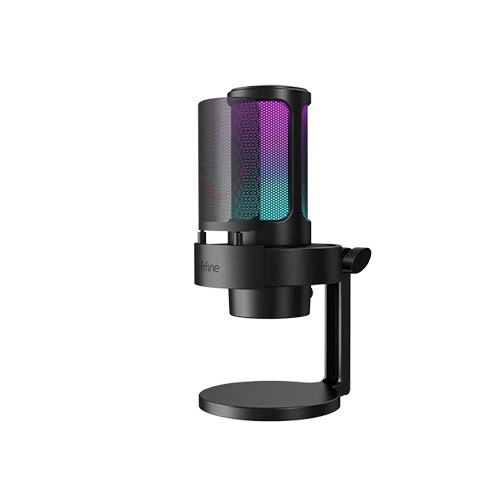
FIFINE AMPLIGAME A8 RGB USB Mic Dynaamic Microphone (Black)
- Type: Condenser
- Polar Pattern: Cardioid
- Sensitivity: -40±3dB
- Shipping Weight: 1.0 kg
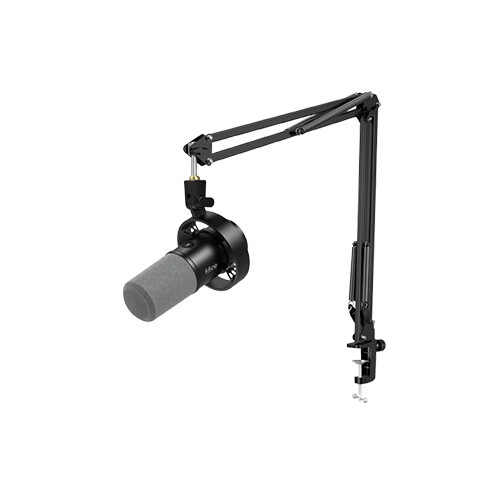
FIFINE AmpliTank K688CT USB/XLR Dynamic Microphone Kit (Black)
- USB & XLR Connector
- -50±3dBV Sensitivity, >80dB S/N Ratio
- 50Hz∼16KHz Frequency Response
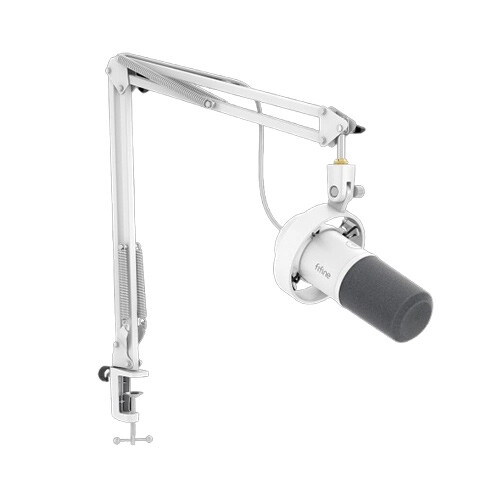
FIFINE AmpliTank K688CT USB/XLR Dynamic Microphone Kit
- USB & XLR Connector
- -50±3dBV Sensitivity, >80dB S/N Ratio
- 50Hz∼16KHz Frequency Response
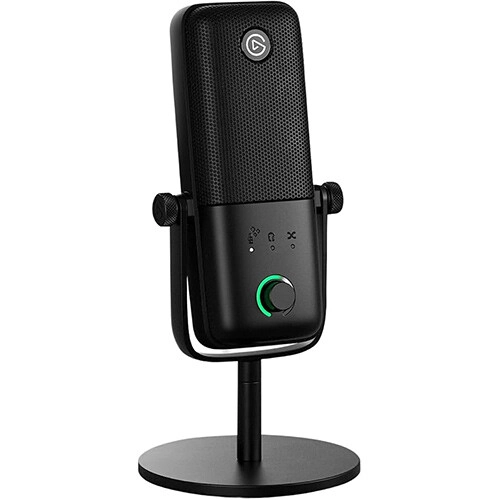
Elgato Wave:3 MK.2 USB Condenser Microphone For Professional
- Sharp 16mm Condenser Capsule
- Tight Cardioid Polar Pattern
- Pure 24-Bit Depth
- Fast USB-C Interface
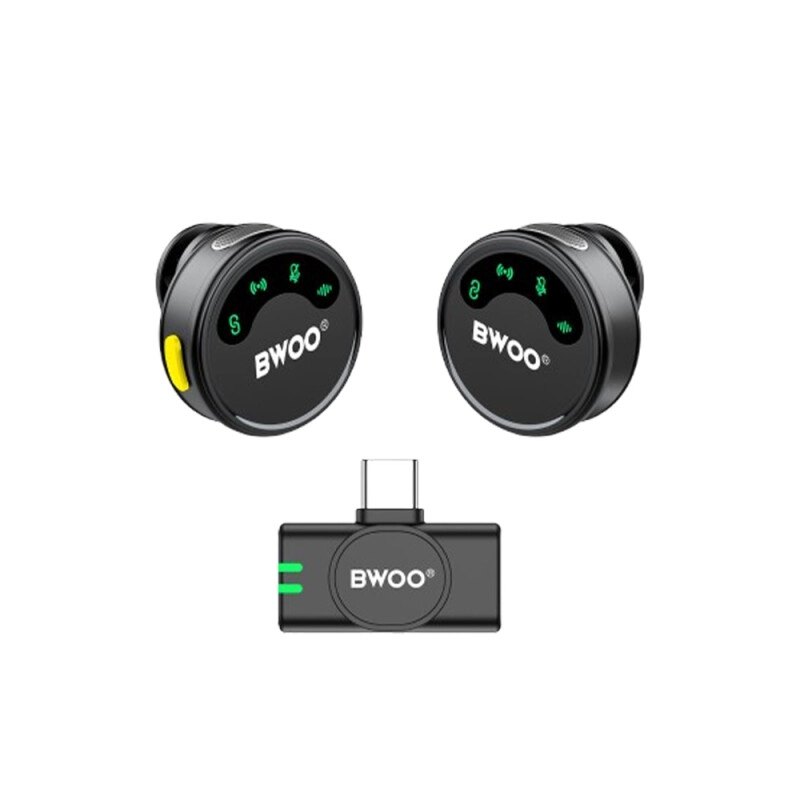
BWOO BO-MF02 Wireless Lavalier Microphone
- Transmission frequency - 2402-2480MHZ
- Microphone Type - Electret microphone
- Transmitter Battery - 80 mAh
- Connector - Type-C
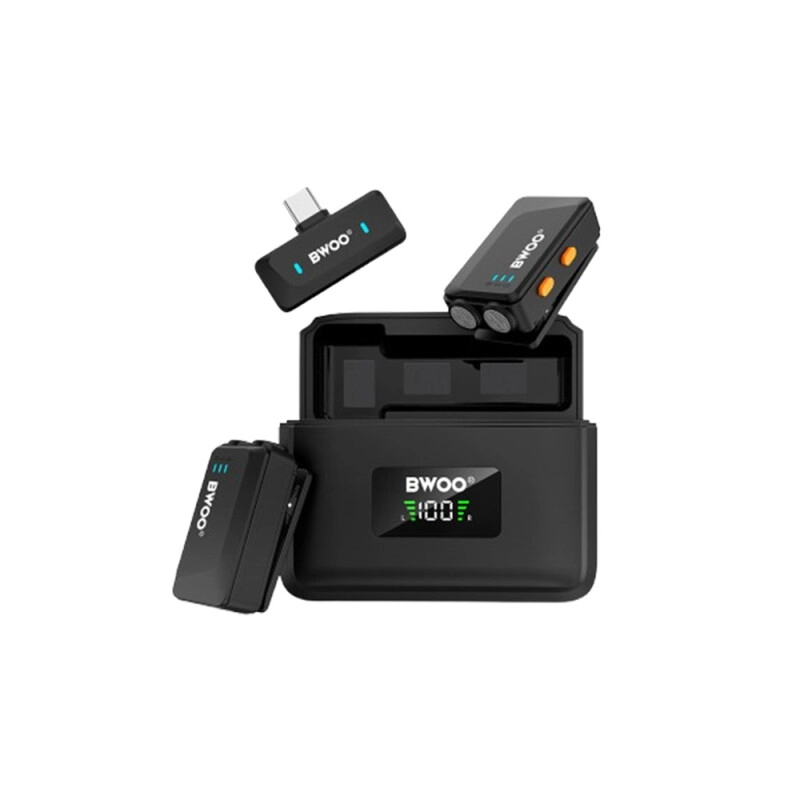
BWOO BO-MF03 Wireless Lavalier Microphone
- Wireless Frequency - 2.4 GHz
- Frequency Response - 100 Hz – 10 kHz
- Transmitter Battery - 80 mAh.
- Working Time - 5 to 6 hours.
Havit GK52 Gaming Microphone With RGB
- Working Voltage: 5V
- Frequency: 100Hz to 18000Hz
- Material: Plastic+Iron Mesh
- Directivity: Cardioid
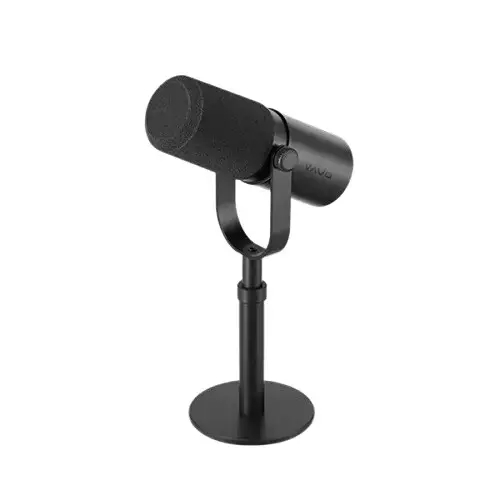
BOYA CastMic P60D USB XLR Dynamic Microphone Studio Quality Podcast Mic
- Dual USB & XLR connectivity
- Clear and professional sound quality
- Ideal for podcasting, streaming, and gaming
- Dynamic microphone with noise reduction
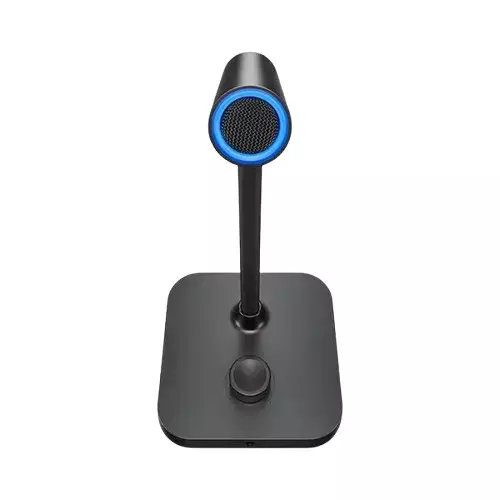
BOYA CM30 USD Gooseneck Condenser Microphone
- Clear and professional voice capture
- Flexible gooseneck design
- USB plug and play connectivity
- Ideal for online classes
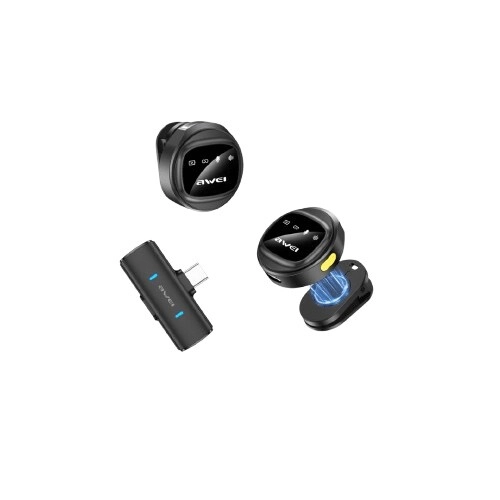
AWEI MK3 Magnetic Lavalier Dual Wireless Microphone System
- Charging Input - DC 5V
- Charging Time - ~1 hour
- Receiver Output - Type-C
- Transmission Distance - Up to ~25m
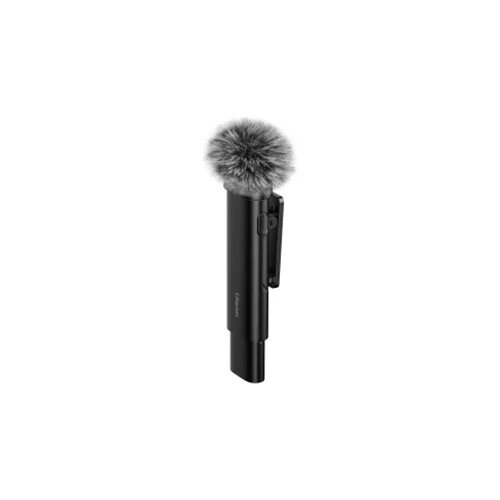
Ulanzi WM-10 Lightning Lavalier Wireless Microphone
- Polar Pattern - Omni-directional
- Microphone Type - Lavalier
- Frequency Range - 20 Hz to 20 kHz
- Battery Life - 4.5-Hour
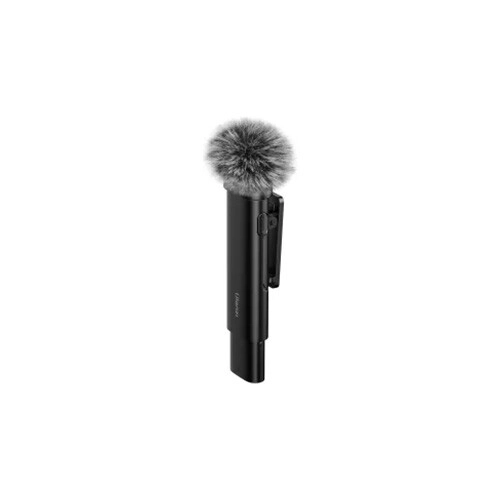
Ulanzi WM-10 Type-C Lavalier Wireless Microphone
- Polar Pattern - Omni-directional
- Microphone Type - Lavalier
- Frequency Range - 20 Hz to 20 kHz
- Battery Life - 4.5-Hour
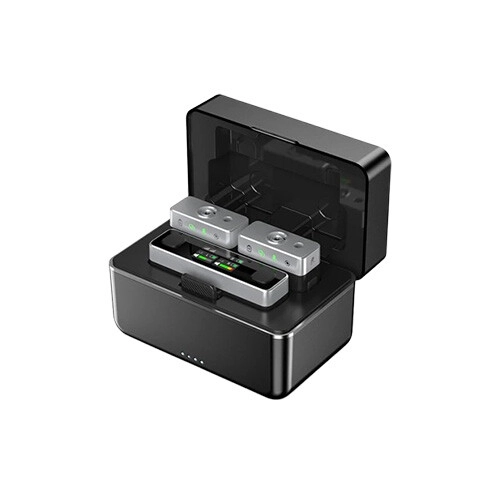
Ulanzi AM18 U-Mic Lavalier Wireless Microphone
- Wireless Range - 328 ft / 100 m
- Operating Time - Up to 14 hours
- Microphone - Omnidirectional
- Touch Display - TFT touchscreen
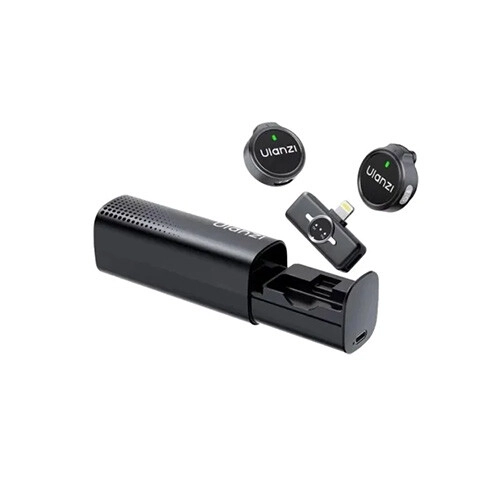
Ulanzi A21 Lightning Omni-directional Wireless Microphone
- Battery Life - Up to 6-8 Hours
- Sampling Rate - 32kHz/24bit
- Noise/Signal - >70dB
- Polar pattern - Omnidirectional
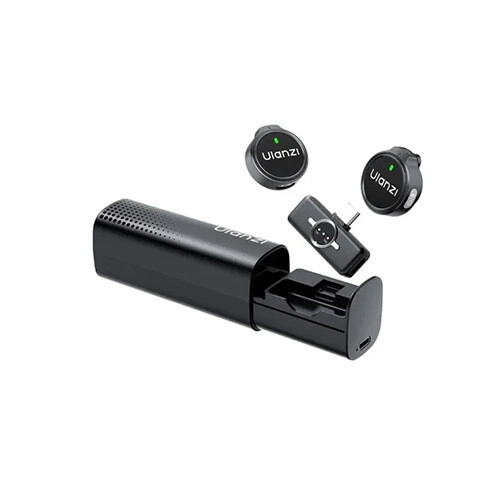
Ulanzi A21 Android Type-C Wireless Microphone
- Battery Life - Up to 6-8 Hours
- Sampling Rate - 32kHz/24bit
- Noise/Signal - >70dB
- Polar pattern - Omnidirectional
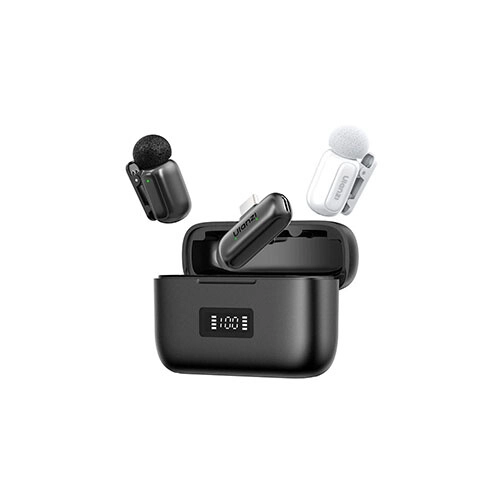
Ulanzi A200 Wireless Lavalier Mini Microphone (Black and White)
- Microphone Polar Pattern: Omni-directional
- 75dB Signal-to-Noise Ratio
- Battery Capacity: Case: 350mAh, Mic: 70mAh
- Sampling Rate: 48kHz/24bit
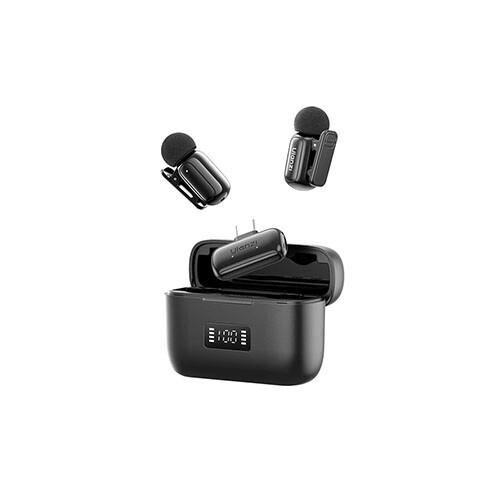
Ulanzi A200 Wireless Lavalier Microphone (Black)
- Microphone Polar Pattern: Omni-directional
- 75dB Signal-to-Noise Ratio
- Battery Capacity: Case: 350mAh, Mic: 70mAh
- Sampling Rate: 48kHz/24bit
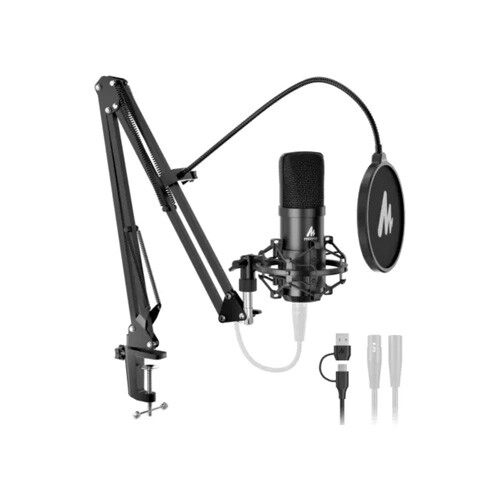
MAONO AU-A04 Gen2 Studio Quality Condenser XLR, USB, and Type-C Microphone (Update Model)
- Noise/Signal - 12 dB SPL
- Polar pattern - Cardioid
- Output Impedance - 100 ohms
- Frequency Range - 20-19,200 Hz
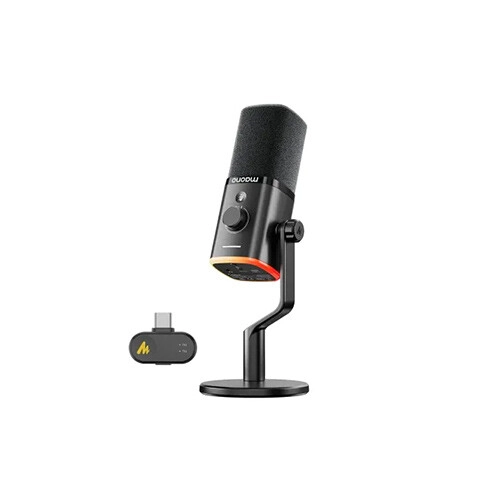
Maono PD100W Wireless & USB Dynamic Microphone
- Noise/Signal - 82 dB
- Frequency Range - 16000 Hz
- Sensitivity - 94 Decibels
- Output Impedance - 32 Ohms

Maono PD200W Hybrid Wireless Podcast Microphone
- Microphone Type - Dynamic microphone
- Sound Level - Up to 128dB SPL
- Noise/Signal - 82 dB
- Frequency Range - 16 KHz
Showing 20 out of 267 products
Best Microphone Price in Bangladesh
A microphone, colloquially called a mic or mike, is a device or transducer that converts sound into an electrical signal. Microphones are used in many applications, such as telephones, hearing aids, public address systems for concert halls and public events, motion picture production, live and recorded audio engineering, sound recording, two-way radios, megaphones, and radio and television broadcasting. They are also used in computers for recording voice, speech recognition, VoIP, and for non-acoustic purposes such as ultrasonic sensors or knock sensors.
Several types of microphones are used today, which employ different methods to convert the air pressure variations of a sound wave to an electrical signal. The most common are the dynamic microphone, which uses a coil of wire suspended in a magnetic field; the condenser microphone, which uses the vibrating diaphragm as a capacitor plate; and the contact microphone, which uses a crystal of piezoelectric material. Microphones typically need to be connected to a preamplifier before the signal can be recorded or reproduced.
Dynamic Microphone Price
Dynamic microphones are very popular in Bangladesh due to their strength and capacity to deal with loud sounds without any distortion. Models such as the Boya BY-DM500 and Maono PD200X are a very good option among podcasters and broadcasters, with prices that are anywhere between BDT ৳350 and BDT ৳31790 at TechLand BD. The mics are ideal for home applications since they have a tendency to reject background noise and concentrate on the speaker's voice. They are ready to be used as a plug-and-play device via USB or be connected to professional XLR interfaces to capture more information about audio.
Condenser Microphone Price
Condensers are used in preference to studio-quality recordings and high-fidelity vocals because of their extreme sensitivity. Fifine K669B or Maono AU-A04 bundle are of the most popular options of the condensers, available at TechLand BD at a price range of BDT ৳350 to BDT ৳31790. These microphones are perfect in recording the finer aspects of a voice and therefore are used in music production, voiceovers in YouTube, and high-quality streaming. Although they are more sensitive to surrounding noise, in a quiet room, their use gives a professional impression of a broadcast to any production.
Best Professional Microphone
Professional microphones of brands such as Audio-Technica, Rode, and Shure are used by serious content creators and studio engineers and cannot be outmatched in terms of performance. There is the Rode Wireless GO II or the Audio-Technica AT2020, which is a premium model offered at TechLand BD, and is an option to those who cannot afford to compromise on sound quality. These mics are of professional standards, and they come with better construction, frequency responses and noise-cancelling features. Although they need more investment, usually starting at BDT ৳350 they can be broadcast to the industry standard for influencers and musicians in BD.
History
In order to speak to larger groups of people, a need arose to increase the volume of the human voice. The earliest devices used to achieve this were acoustic megaphones. Some of the first examples, from fifth-century BC Greece, were theater masks with horn-shaped mouth openings that acoustically amplified the voice of actors in amphitheaters. In 1665, the English physicist Robert Hooke was the first to experiment with a medium other than air with the invention of the "lovers' telephone" made of stretched wire with a cup attached at each end.
In 1861, German inventor Johann Philipp Reis built an early sound transmitter that used a metallic strip attached to a vibrating membrane that would produce intermittent currents. Better results were achieved in 1876 with the "liquid transmitter" design in early telephones from Alexander Graham Bell and Elisha Gray – the diaphragm was attached to a conductive rod in an acid solution. These systems, however, gave a very poor sound quality.
The first microphone that enabled proper voice telephony was the carbon microphone. This was independently developed by David Edward Hughes in England and Emile Berliner and Thomas Edison in the US. Although Edison was awarded the first patent (after a long legal dispute) in mid-1877, Hughes had demonstrated his working device in front of many witnesses some years earlier, and most historians credit him with its invention. The carbon microphone is the direct prototype of today's microphones and was critical in the development of telephony, broadcasting, and recording industries. Thomas Edison refined the carbon microphone into his carbon-button transmitter of 1886. This microphone was employed at the first-ever radio broadcast, a performance at the New York Metropolitan Opera House in 1910
We Should Buy Which Microphone
When it comes to setting up a home-based project studio, deciding which microphone to buy first can be pretty daunting, not least because of the huge number of models and types available. The good news is that today we have a choice of some extremely good, low-cost microphones, many imported from China or the former Eastern Block, all of which perform significantly better than anything we could afford when home recording first took hold in the late '70s. This strong competition has also resulted in European and US manufacturers launching budget mics, something made possible by the higher volumes of sales generated by the growing project studio market.
Each Microphone company has its unique way of doing things, even when they cater to similar needs. That said, some brands stand out among the rest. Here is some brands that we like to suggest to you- Boya , Fantech , Elgato , Avermedia , Maono , Redragon , Thermaltake , Razer , Fifine , HyperX ,Havit , HTDZ , TEV , Saramonic , Meetion , ULANZI , Gamdias , AULA , Hoco , JBL , 7ryms , Asus , Hohem , Steelseries , SJCAM , Onikuma. Those Brands provide you with the best microphones of all time. You can get those Products from Techland at the Best Price.
Bluetooth microphone price in Bangladesh
To provide a sense of the Bluetooth microphone pricing in Bangladesh, we will begin by diving into the best-known brands available in the market, such as Sony, JBL, and Samsung. The cost for these devices can range quite a bit depending on various factors, including sound quality, battery life, durability and additional features it offers such as sound isolation, echo handling, noise reduction, etc. Providing costs comparisons, we give consumers the ability to make an informed decision regarding which device they may wish to purchase based on their individual needs.
Microphone Price List in Bangladesh 2026
What type of microphone is best for recording vocals?
Can I use a USB microphone for live performances?
USB microphones are primarily designed for recording and may not offer the durability or features necessary for live performances. Dynamic or condenser microphones with XLR connections are more suitable for live events.
What is phantom power, and do I need it for my microphone?
Phantom power is a method of supplying power to certain types of microphones, such as condenser mics. If your microphone requires phantom power, you'll need a compatible audio interface or mixer to supply it.
How important is microphone placement for recording?
Microphone placement is crucial for recording as it affects your recordings' sound quality and overall tone. Proper placement can make a significant difference in capturing the sound you want.
